Unemployment: day 27
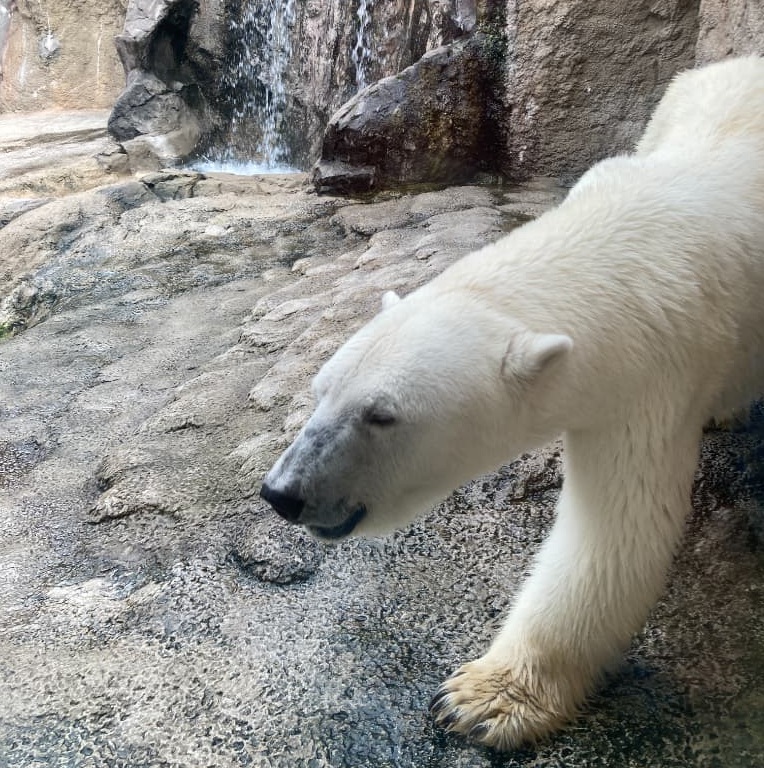
The second day, we visited to the Asahiyama Zoo at Asahikawa. The main animal are Pola bears though, other sorts of animals are grown on the Active conference. The Active conference is not growing in a normal cages but in like a its original living environment. The Asahiyama zoo is the first zoo of the Active conference in Japan. We got excited in watching animals that were moving actively.
Timetable – Day 2
- 08:40 – Drive to Asahiyama Zoo
- 09:00 – Arrive at the zoo
- 09:30 – Zoo opens
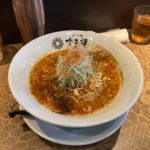
- 12:30 – Drive to a ramen shop called “Hachiya” in central Asahikawa
- 13:00 – Arrive at the shop and have ramen for lunch
- 13:40 – Leave the shop and drive to a supermarket called “Hokuren-Shop”
- 14:10 – Arrive at the supermarket and buy food for dinner
- 14:40 – Arrive at a cake shop called “Sitoa” and buy steamed buns
- 15:00 – Arrive at our condominium
Reference
Correct version
On the second day, we visited Asahiyama Zoo in Asahikawa. The main attraction was the polar bears, but various other animals were also kept in what is called an “action exhibition”. This exhibition style allows the animals to live in an environment that closely resembles their natural habitat, rather than keeping them in standard cages. Asahiyama Zoo was the first in Japan to introduce this style. We were thrilled to see the animals behaving so actively.
IELTS Improvement Points
Collocation:
“main attraction”
→ This is a common collocation used when describing the highlight of a place, especially in tourism or exhibitions (e.g. “The main attraction at the zoo was…”).
“natural habitat”
→ A fixed phrase used in environmental and academic contexts to describe the environment where animals naturally live.
“standard cages”
→ This phrase is used to describe conventional enclosures in zoos, often contrasted with “naturalistic enclosures” or “open exhibits”.
Template:
“We were thrilled to see…”
→ A useful expression to describe an emotional reaction in travel or experience-based writing. Alternatives: “We were amazed by…”, “We were excited to see…”
“rather than [A], [B]”
→ This contrast structure helps to compare two ideas in academic or descriptive writing. Example: “Rather than memorising, students should understand.”
“The first in [location] to [do something]”
→ A formal template used to highlight pioneering achievements. Example: “It was the first school in the UK to offer coding classes.”
Vocabulary:
“exhibition” (noun)
→ A public display of items (in this case, animals). When describing zoo setups, “exhibition” or “enclosure” is preferred over “conference”, which was incorrectly used.
“polar bears”
→ Note the correct spelling (not “Pola bears”). “Polar” is often misheard or misspelt by non-native speakers.
“steamed buns”
→ “Steamed breads” is unnatural in English. “Buns” is the appropriate term for individual round portions of steamed bread (e.g., bao, manju).
“behaving actively” → “behaving so actively”
→ “Actively” is used here to convey lively or animated behaviour. You can also use: “moving around energetically”, “showing natural behaviours”.