
Unemployment: day 37
I introduce the cost of a trip to Hokkaido last week. It cost around 530,000 yen as 6 person (4 adults and 2 children) for 4 days. The list is below.
- Return flights (4 adults and 2 children): 158,000 yen
- Accommodation (3 nights): 226,000 yen
- Car hire (4 days): 37,000 yen
- Asahiyama Zoo (4 adults; children were free): 4,000 yen
- Admission to Shikisai-no-Oka (4 adults and 2 children): 2,600 yen
- Meals: 60,000 yen
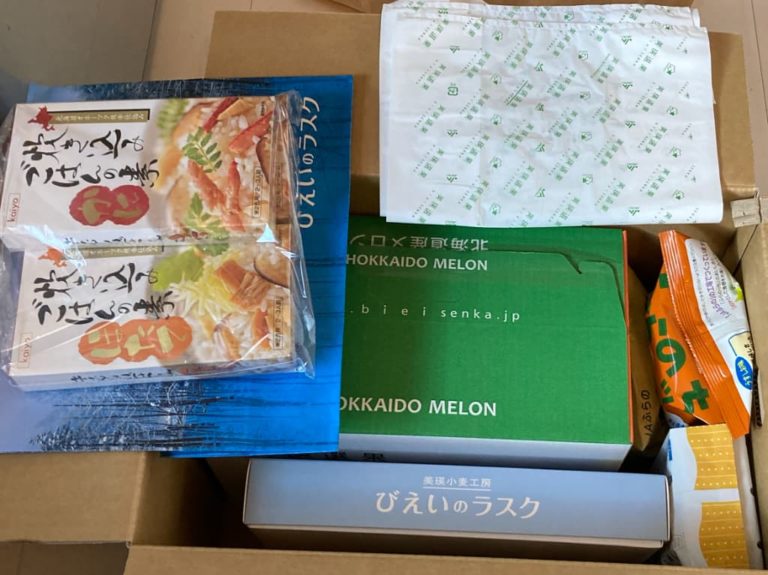
- Souvenirs: 40,000 yen
References
Correct version
Here is a breakdown of the cost of our trip to Hokkaido last week. The total cost for six people (four adults and two children) over four days was approximately 530,000 yen. The detailed expenses are listed below:
IELTS Improvement Points
Collocation:
“a breakdown of the cost”
→ A natural phrase often used in financial or travel-related writing to mean “detailed cost summary”.
“car hire” (UK) vs “car rental” (US)
→ Use “car hire” in British English for IELTS. It refers to renting a car.
“return flights”
→ A common British English term for round-trip air travel.
“admission to [place]”
→ A set expression for describing entry fees to locations or attractions.
Template:
“The total cost for [number] people over [duration] was approximately [amount].”
→ A clear and structured way to summarise expenses. Useful for Task 1 or describing travel experiences.
“Here is a breakdown of…”
→ A professional and clear way to introduce itemised lists.
“The detailed expenses are listed below:”
→ Useful when presenting data or summaries, especially in Task 1 reports.
Vocabulary:
approximately
→ A formal and accurate word to express estimates; better than casual alternatives like “around”.
souvenirs
→ Always plural in this context; refers to items bought during travel for remembrance or gifts.
hire vs rent
→ In British English, “hire” is used for short-term rentals (car hire, equipment hire), while “rent” is for long-term (e.g., flat rental).
accommodation
→ Uncountable noun; do not use “accommodations” in British English.