
Diary
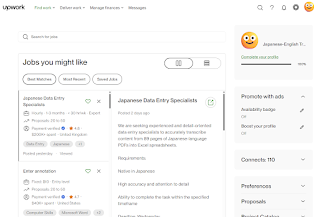
I registered with Upwork, which is a crowdsourcing platform. At first, I filled in my profile, uploaded my portfolio, and so on.
I’m wondering if I’ll be able to earn some money after I retire. Specifically, I’m planning to work during my days off in my host country, Africa. Additionally, I believe that working with English-speaking people will improve my English skills.
・Upwork Official Website
・Freelancing Tips for Beginners
・How to Create a Strong Upwork Profile
My original sentences
I registered the Upwork which is the cloud sourcing platform. At first, I filled in my profile, portfolios, and so on.
I wonder if I will earn some money after my retirement. Specifically I’m going to work on my off in my host country Africa. Additionally I think that working with a person who uses English improves my English skills.
Explanation of Corrections
1. “I registered the Upwork” → “I registered with Upwork”
In English, we usually say “register with a platform/service,” not “register the [something].”
2. “which is the cloud sourcing platform” → “which is a crowdsourcing platform”
The correct term is “crowdsourcing”, not “cloud sourcing,” which is a different concept. Also, “a” is used instead of “the” because Upwork is one of many crowdsourcing platforms, not the only one.
3. “portfolios” → “portfolio”
“Portfolio” is typically uncountable in this context, or we refer to “a portfolio” as a collection of work, even if it includes many items.
4. “I wonder if I will earn some money after my retirement” → “I’m wondering if I’ll be able to earn some money after I retire”
“I’m wondering” sounds more natural for expressing ongoing thoughts or questions. “After I retire” is more idiomatic and fluent than “after my retirement.”
5. “Specifically I’m going to work on my off in my host country Africa.” → “Specifically, I’m planning to work during my days off in my host country, Africa.”
“on my off” is not natural. We say “during my days off” or “on my days off”. “I’m going to work” was fine, but “I’m planning to work” better fits the idea of future intention. Added a comma after “Specifically” for clarity.
6. “working with a person who uses English” → “working with English-speaking people”
“a person who uses English” is overly wordy and not natural. “English-speaking people” is concise and idiomatic.