
Unemployment: day 30
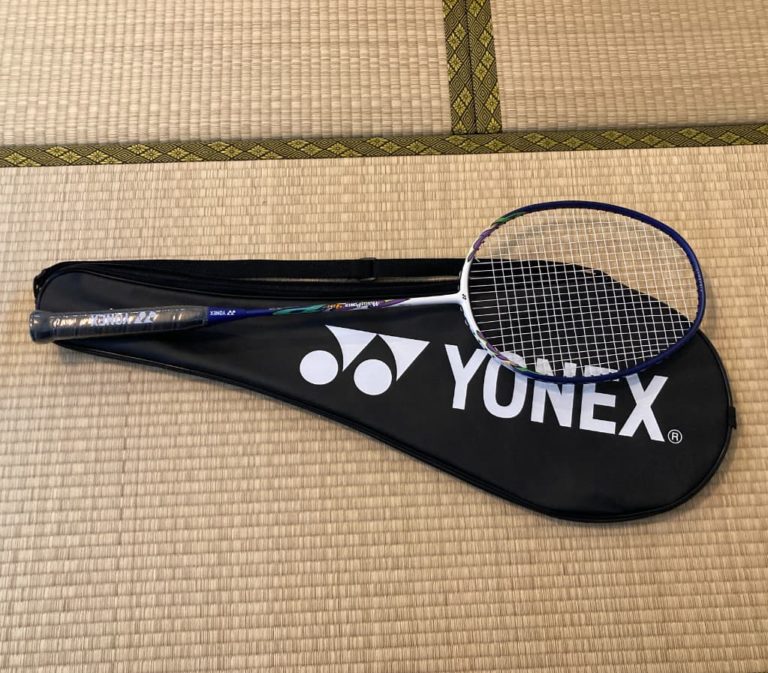
From today, my daughter started a badminton school. The venue was a gym our neighborhood. The school has about ten primally school students. She told me and my wife that she want to start any sports. So my wife looked for this badminton school.
When I applied for the school, the staff advised me that once my daughter tried to join the class and then decided to go on or not. So I ask my daughter how about the class after the class, she was saying “It’s really interesting, I want to go on this class.” Therefore she regularly went on badminton school.
References
Correct version
Today, my daughter started attending a badminton school. The venue was a gym in our neighbourhood. The school has about ten primary school pupils. She told my wife and me that she wanted to start a sport, so my wife looked for a badminton school.
When I applied, the staff advised that my daughter could try a class first and then decide whether to continue. So, after the class, I asked her what she thought. She said, “It was really fun. I want to keep going.” Since then, she has been attending the badminton school regularly.
IELTS Improvement Points
Collocation:
start attending a school
→ “Attend” is the correct verb collocation with “school”. “Start a school” can mean founding a school, not joining one.
primary school pupils
→ In British English, “pupils” is used for children in school, while “students” is more common for older learners.
keep going / continue attending
→ Natural collocations for regularly going to an event/class over time.
ask [someone] what they thought
→ A more natural collocation than “ask how about the class”.
Template:
“She told my wife and me that she wanted to…”
→ A standard indirect speech structure. Good for Task 1 or Task 2 when reporting what others said.
“Since then, she has been [doing something] regularly.”
→ A Present Perfect Continuous structure indicating ongoing action from a point in the past until now. Useful to show continuity or trends.
“She said, ‘…'”
→ Quoting directly is a useful device to add vividness or personal tone to narratives.
Vocabulary:
advised
→ More formal and appropriate than “told” when referring to guidance or suggestion from staff or professionals.
pupils
→ Specifically refers to young school children in UK English (vs. “students” in US English).
regularly
→ Correct adverb form, replacing the incorrect “regulaly” and more accurate than “went on”.