Diary
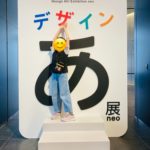
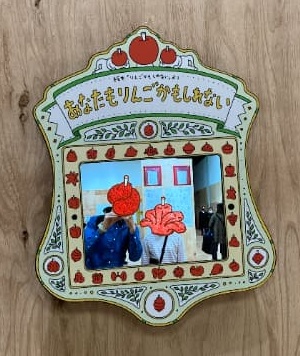
Today, I went to the YOSHITAKESHINSUKE exhibition -KAMOSHIRENAI- in Kyobashi with my family. Shinsuke Yoshitake is a famous author who mainly writes picture books in Japan. We have some of his books, such as “RINGO KAMOSHIRENAI” and “KONETE NOBASHITE.” His books are interesting not only for children but also for adults, as they convey valuable lessons for life.
At the exhibition, we were able to learn about his history and view his portfolio. Our whole family found the exhibition truly meaningful.
Links
- It might be Shinsuke Yoshitake’s Exhibition Plenty more
- Creative Museum Tokyo – Official Exhibition Page
- Tokyo Art Beat – Exhibition Details
Original statements
Today, I went to YOSHITAKESHINSUKE exhibition -KAMOSHIRENAI- at kyobashi with my family. YOSHITAKESHINSUKE is a famous writer mainly writes picture books in Japan. We have some his books such as “RINGO KAMOSHIRENAI” or “KONETE NOBASHITE”. His books are interesting not only children but also adults because the books teach us useful thoughts for our lives. In this exhibition, we were able to know his history and portfolios. Our whole family were really precious for the exhibition.
Corrections and Explanations
“at kyobashi” → “in Kyobashi”
・Explanation: “In” is the correct preposition for locations like cities or districts.
・Additional clarification: “Kyobashi” should be capitalised as a proper noun.
“YOSHITAKESHINSUKE” → “Yoshitake Shinsuke”
・Explanation: Proper names should be capitalised in standard title case (first letter only). All caps is not standard in formal writing.
“writer mainly writes picture books” → “author who mainly writes picture books”
・Explanation: “Author” is more appropriate for someone who publishes books. “Who” is needed to introduce the relative clause.
“We have some his books” → “We have some of his books”
・Explanation: The phrase “some his books” is ungrammatical; it requires “of” between “some” and the pronoun.
‘”RINGO KAMOSHIRENAI” or “KONETE NOBASHITE”‘ → ‘Ringo Kamoshirenai and Konete Nobashite’
・Explanation: Use “and” for listing multiple items. Titles are better italicised or in title case for clarity and style.
“interesting not only children but also adults” → “interesting not only for children but also for adults”
・Explanation: The preposition “for” is necessary. The structure must be parallel: “for children… for adults.”
“because the books teach us useful thoughts for our lives” → “as they convey valuable lessons for life”
・Explanation: “Useful thoughts” is awkward; “valuable lessons” is a more natural expression. “Convey” is a more suitable verb.
“we were able to know his history and portfolios” → “we were able to learn about his history and view his portfolio”
・Explanation: “Know” is incorrect here; use “learn about” for acquiring knowledge. “Portfolio” is singular unless clearly referring to separate bodies of work.
“Our whole family were really precious for the exhibition” → “Our whole family found the exhibition truly meaningful”
・Explanation: “Precious for the exhibition” is incorrect and unnatural. The revised version properly expresses the emotional value.