Unemployment: day 49
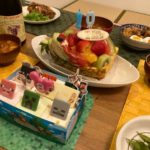
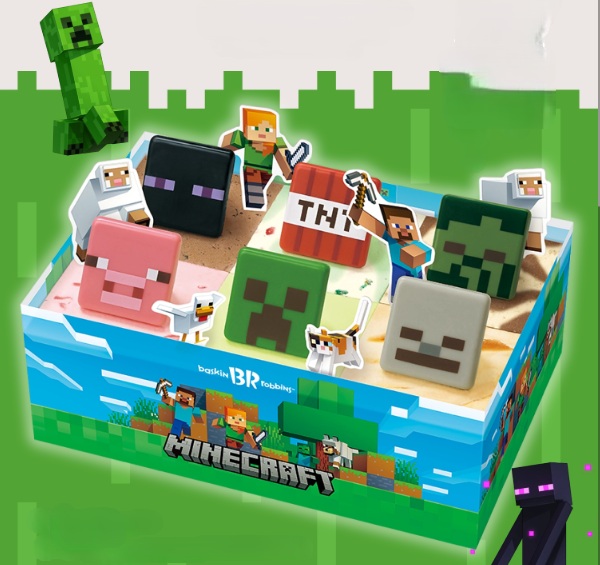
Today my daughter and I booked a birthday cake and fruits plate. The latest day of August is my son’ birthday. And this year, my daughter’ birthday party will take place at the same day, because I will not be home at her birthday on September. My son’ request was a Minecraft ice cake, and my daughters was a fruit cake. However during exploring in a cake shop in parson, she selected a fruits plate rather than a fruit cake. We will go to receive them at the birthday.
References
Correct version
Today my daughter and I ordered a birthday cake and a fruit platter. The last day of August is my son’s birthday, and this year my daughter’s birthday party will take place on the same day, because I will not be at home on her birthday in September. My son requested a Minecraft ice cake, while my daughter wanted a fruit cake. However, when we visited the cake shop in person, she chose a fruit platter instead of a fruit cake. We will collect them on the day of the birthday.
IELTS Improvement Points
Collocation:
order a cake
→ The natural collocation is “order a cake” (not “book a cake”). “Book” is used for reservations like seats, hotels, or tickets, but not for food items.
celebrate a birthday / hold a birthday party
→ More idiomatic than “birthday will take place”. For example: We will celebrate her birthday in September.
Template:
[Subject] will not be at home/on leave/on holiday, so [alternative arrangement].
→ A useful structure to explain cause and effect clearly in Task 1 or 2. Example: I will not be at home, so we decided to celebrate earlier.
[Subject] chose [X] instead of [Y].
→ A neat comparative structure. Example: She chose tea instead of coffee. Improves coherence and variety in sentence structure.
Vocabulary:
platter
→ A more natural word than “fruits plate”. “Fruit platter” means an arranged selection of fruits, often for parties.
in person
→ Means “by being physically present”, more idiomatic than “in parson” (which is a spelling error). Common in formal and informal contexts.
collect (an order)
→ In British English, “collect” is used when picking up items you ordered (rather than “receive” or “get”). Example: We will collect the cake tomorrow.