
Diary
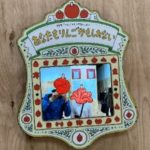
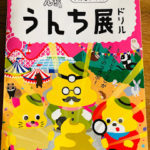
Today I went to the Design Ah exhibition at Toranomon Hills. Design Ah! is a TV programme that is broadcast on the NHK Educational Channel. It has many interesting segments through which we can learn about design, so our whole family loves it. At the exhibition, we tried out some of the activities we had seen on the TV programme. We were very excited about them.
Design Ah! Exhibition Neo Official Website
NHK Design Ah! TV Programme
Tokyo Node Venue Information
Original statements
Today I went to the design Ah exhibition at Tranomon hills. Design Ah is a TV program that is broadcasted on NHK educational channel. It has many interesting contents that we can learn about design. So all of family loves it. In this exhibition, we tried to do myself some content that we had seen in the TV program. We were excited about them.
Explanation of Changes
1. “Tranomon hills” → “Toranomon Hills”
Corrected the spelling of “Toranomon” and capitalised “Hills”, which is a proper noun.
Spelling correction and proper noun capitalisation were necessary.
2. “TV program” → “TV programme”
In British English, “programme” is the standard spelling for a TV or radio show.
“Program” is used in American English; “programme” is the British form.
3. “is broadcasted” → “is broadcast”
“Broadcast” is an irregular verb and its past and past participle form is also “broadcast”.
In both British and American English, “is broadcast” is correct — not “is broadcasted”.
4. “educational channel” → “Educational Channel”
Capitalised as it’s the formal name of a specific channel.
Proper nouns (like a specific TV channel) are capitalised.
5. “contents” → “segments”
“Contents” is uncountable or used for lists, while “segments” or “parts” fits better for sections of a programme.
In this context, “segments” or “activities” is more natural than “contents” in British English.
6. “all of family loves it” → “our whole family loves it”
This is the idiomatic way to refer to one’s family as a unit.
“All of family” is grammatically incorrect; “our whole family” is the natural phrase.
7. “we tried to do myself some content” → “we tried out some of the activities”
“Tried to do myself” is incorrect. “Tried out” is a phrasal verb meaning to experience or test something.
Also, “myself” was wrongly used. You meant “we” as a group.
8. “we had seen in the TV program” → “we had seen on the TV programme”
“On” is the correct preposition for something seen on TV. Also, changed “program” to British “programme”.
We say “on TV”, not “in TV”.
9. “We were excited about them” → “We were very excited about them”
“Very” adds natural emphasis; this sentence benefits from it to convey the excitement better.
British English often uses “very” for clear emotional tone.